Forgotten Kickstarter Projects
Finding documentation of a Kickstarter reward I have no memory of receiving or using, and wondering how many other forgotten indie hardware projects are out there - and how Kickstarter has changed.
6 min read
This post was originally published on Tumblr in March 2014 and has been migrated here.
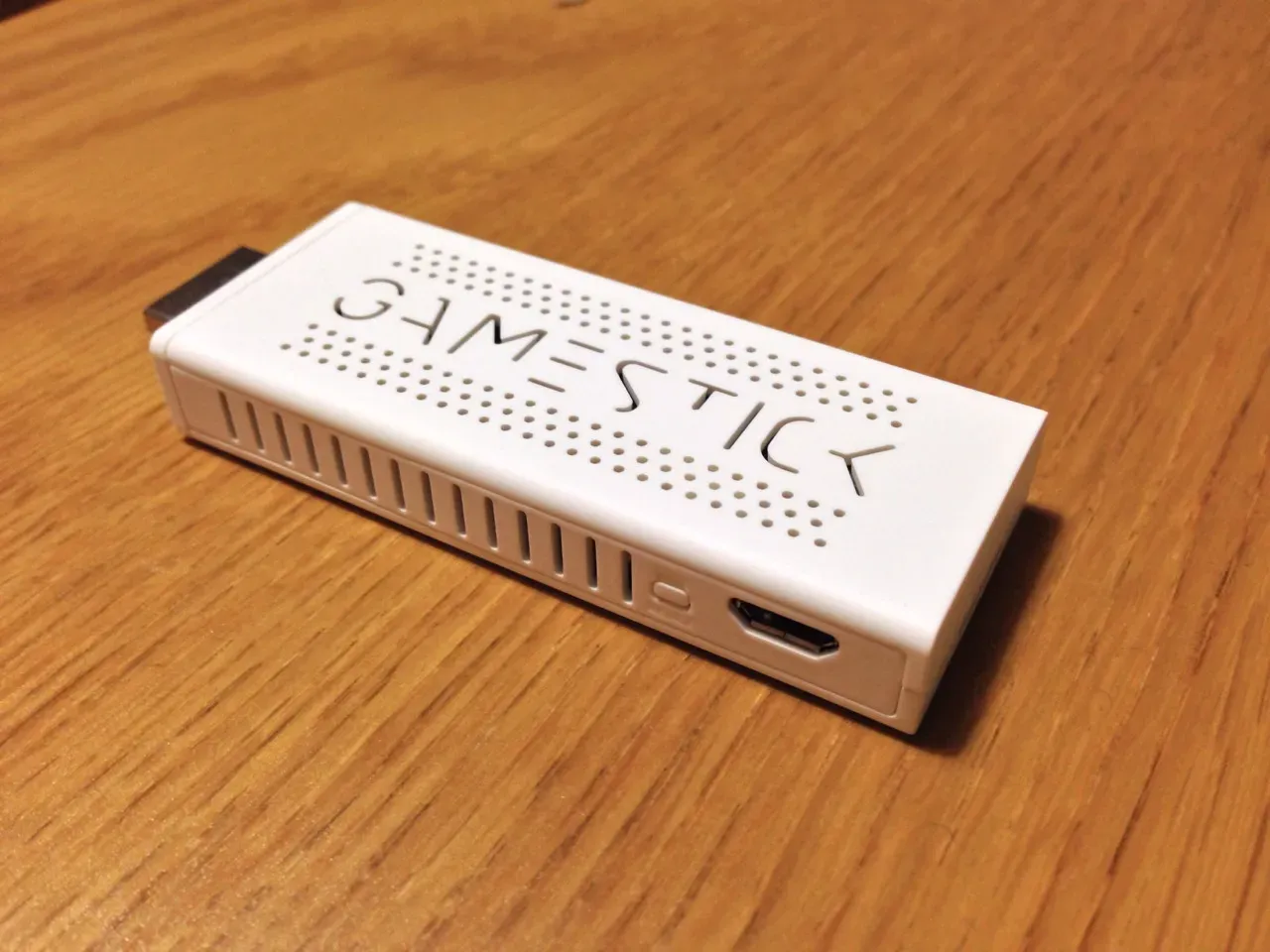
I’ve been going through old Tumblr posts, and this one caught me off guard. It’s from March 2014, and it shows photos of a GameStick - a Kickstarter project from Playjam that was apparently a “surprise Kickstarter reward number 2 of the day.”
The post mentions that it finally arrived after Royal Mail silently sent it back to Playjam with no card through the door. There are seven photos showing the device, its packaging, and what looks like it plugged into a TV.
Here’s the thing: I have absolutely no memory of this product arriving. I don’t remember opening it, I don’t remember using it, I don’t remember what happened to it. But I clearly documented it at the time, took multiple photos, and wrote about it.
The GameStick
For those who don’t remember (and apparently that includes me), the GameStick was a small Android-based gaming console that plugged directly into a TV’s HDMI port. It was one of those early attempts to create a simple, affordable way to play games on your TV - before the market was flooded with Android TV boxes and streaming sticks.
Playjam raised over $600,000 on Kickstarter for it. It was a real product, it shipped, and apparently I backed it and received it. But I have no recollection of ever actually using it.
The Forgotten Projects
This got me thinking: how many other Kickstarter projects are out there that I backed, received, and then completely forgot about? How many indie hardware projects from that era are sitting in drawers or boxes, documented in photos but never actually used?
The early 2010s were a golden age for Kickstarter hardware projects. Pebble watches, Oculus Rift (before Facebook), various Arduino-based gadgets, smart home devices before they were mainstream. Some of these became huge successes. Others… well, others became forgotten projects that arrived in the mail, got photographed, and then disappeared into the void.
I’m sure I’m not alone in this. How many people backed projects, received rewards, and then never actually integrated them into their lives? How many “smart” devices from that era are sitting unused because they were interesting ideas that didn’t quite solve a real problem?
How Kickstarter Has Changed
But this also made me think about how Kickstarter itself has changed. Back in 2014, when I backed the GameStick, Kickstarter felt like a place for indie creators and small teams trying to bring interesting ideas to life. It was scrappy, experimental, and full of passion projects.
Now? Kickstarter feels like it’s become an early access platform for major vendors. Established companies use it to test markets, build hype, and get pre-orders before official launches. The platform is still full of interesting projects, but it’s also full of campaigns from companies that don’t really need Kickstarter - they’re just using it as a marketing channel.
There’s something sad about that shift. Kickstarter used to be about enabling projects that wouldn’t exist otherwise. Now it’s often about giving established companies a way to de-risk product launches and generate buzz.
The Etsy Comparison
This feels a lot like what happened to Etsy. Etsy started as a marketplace for handmade and vintage items - a place for independent creators to sell unique, one-of-a-kind products. But over time it evolved. Mass-manufactured goods appeared, drop-shipping became common, and the platform became less about handmade items and more about small-scale commerce in general.
That’s not necessarily bad - Etsy is still a great platform, and many independent creators still thrive there. But it’s different. The original ethos has been diluted by the realities of scale and growth.
Kickstarter feels like it’s on a similar trajectory. It’s still a platform for independent creators, but it’s also become a tool for established companies. The original spirit - enabling projects that wouldn’t exist otherwise - is still there, but it’s competing with campaigns that feel more like pre-orders than genuine crowdfunding.
The Lost Connection
What I find interesting about the GameStick post is that I documented it, but I don’t remember it. That suggests I was excited enough to take photos and write about it, but not excited enough to actually use it or remember the experience.
Maybe that’s the real story here. Not just about forgotten projects, but about the gap between the excitement of backing something and the reality of actually using it. Kickstarter campaigns are great at generating excitement - the updates, the community, the anticipation. But sometimes the product itself doesn’t live up to that excitement, or doesn’t solve a problem you actually have.
What We’ve Lost
I wonder if part of what’s changed is that we’ve lost some of the genuine experimentation. Early Kickstarter was full of projects that might not work, might not ship, might not be useful. But they were interesting. They were trying something new.
Now, successful Kickstarter campaigns often feel more polished, more professional, more like traditional product launches. That’s probably good for backers who want reliable delivery, but it’s less exciting. The platform has matured, and with that maturity comes a certain predictability.
Maybe that’s why I don’t remember the GameStick. It was probably fine - a functional product that did what it promised. But it wasn’t remarkable enough to stick in my memory. It was just another gadget that arrived, got photographed, and then… nothing.
The Archive of Forgotten Projects
I suspect there are thousands of these forgotten Kickstarter projects out there. Products that were backed with enthusiasm, received with excitement, documented with photos, and then forgotten. They’re sitting in drawers and boxes, reminders of a time when we were excited about the possibilities of crowdfunded hardware.
Maybe that’s okay. Not every project needs to change your life. Sometimes backing something is about supporting an idea, not about using the product. But it does make me wonder: what are we really backing when we support these campaigns? Are we supporting innovation, or are we just pre-ordering products?
And as Kickstarter continues to evolve, becoming more like an early access platform for established companies, I wonder if we’re losing something. The platform that enabled genuine experimentation and indie innovation is becoming something else - still useful, still interesting, but different.
The GameStick is probably still in a box somewhere, or maybe it got thrown away, or maybe it’s in a drawer with other forgotten gadgets. I’ll probably never know. But finding that Tumblr post reminded me of a time when Kickstarter felt different - more experimental, more indie, more about enabling projects that wouldn’t exist otherwise.
Maybe that’s just nostalgia. Or maybe it’s a real shift in what the platform has become. Either way, it’s interesting to think about how many other forgotten projects are out there, documented but unused, reminders of a different era of crowdfunding.